
Field Notes
There’s a principle in aviation that does not get talked about enough in retail.
Before a plane ever leaves the ground, it needs a hangar. Not a runway. Not a destination. A hangar. A place where the work gets done properly, where the structure is understood, where every system is tested before the weight of the real world is put on it.
Most retail store development programs skip that part. They build the plane on the runway, with a scheduled arrival time already on the board which is why most retail store projects fail before construction even starts.
That distinction matters more than most people in this industry are willing to admit.
When a plane is built in a hangar, problems surface in a controlled environment. The conversation issue gets caught in the workshop, not on the fabrication floor six weeks before opening. The electrical panel that cannot carry the load gets flagged before the GC has mobilized. The back-of-house space that was never designed for actual operations gets resolved before the design package is issued. The budget gets built around what the project actually costs, not around the number that will get it approved.
When the plane is built on the runway, every one of those problems surfaces during execution. Execution has no tolerance for problems. The clock is running. The pressure is real. Every decision that should have been made upstream gets made in a compressed window, with incomplete information, by people who are already managing fifteen other things. Change orders compound. Relationships strain. The team that started the project motivated and aligned ends it exhausted and reactive.
This is not a failure of effort. The teams I have seen work this way are not lazy or careless. They are capable people who were handed a plane mid-assembly and told to have it airborne by a date that was never realistic to begin with.
The problem is structural, not personal.
Building the hangar means doing the upstream work before the execution begins. It means locking scope before procurement moves. It means confirming lead times before the timeline is set. It means understanding the local execution environment before the design package is issued. It means having a decision structure in place so that when problems arise on site, and they will, they are resolved in hours rather than weeks.
It means knowing your departure before you promise an arrival.
The projects that open well are not the ones where everything goes right. They are the ones where the team had enough structure built before execution started to absorb what went wrong.
That structure does not happen by accident. It is built deliberately, upstream, before the pressure arrives.
That is what QTC is built around.
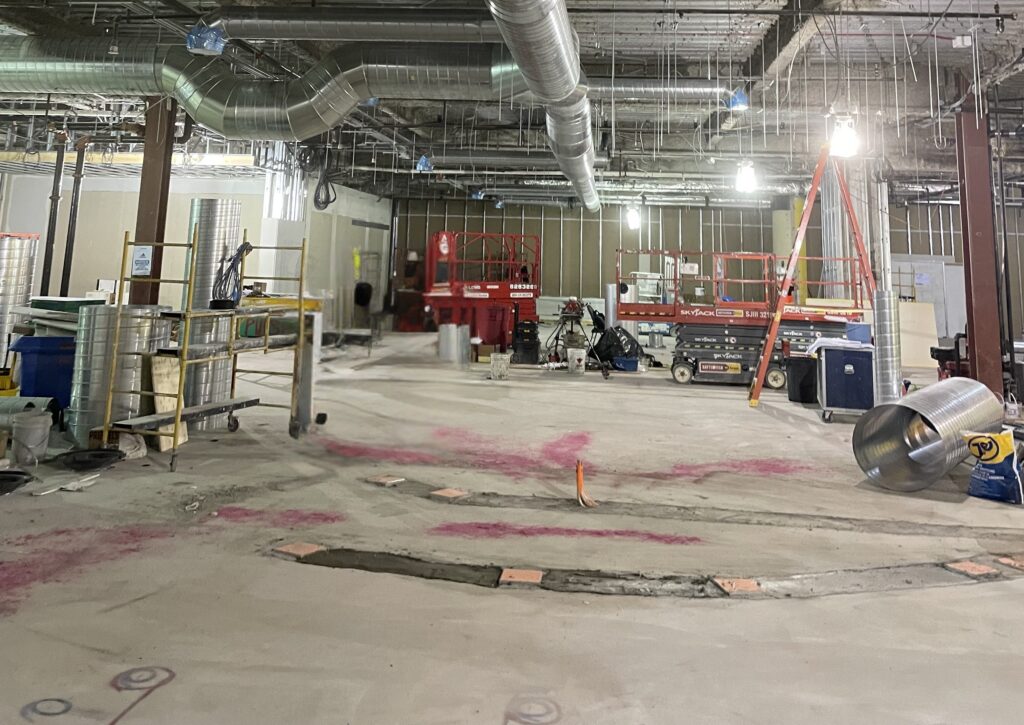
If you want your team to build the plane in the hangar instead of on the runway, QTC has two tools created for exactly that. The QTC Playbook gives you the roadmap — a 60-day framework that sequences every decision from strategy through opening day so nothing gets made too late, too early, or in the wrong order. The QTC Store Development Operations Toolkit gives you the operational system — a 14-tab Google Sheets workspace that keeps your project organized, on budget, and on track from kickoff through opening day. Both are available at qtcretailsolutions.com.


Be the first to comment