
Field Notes
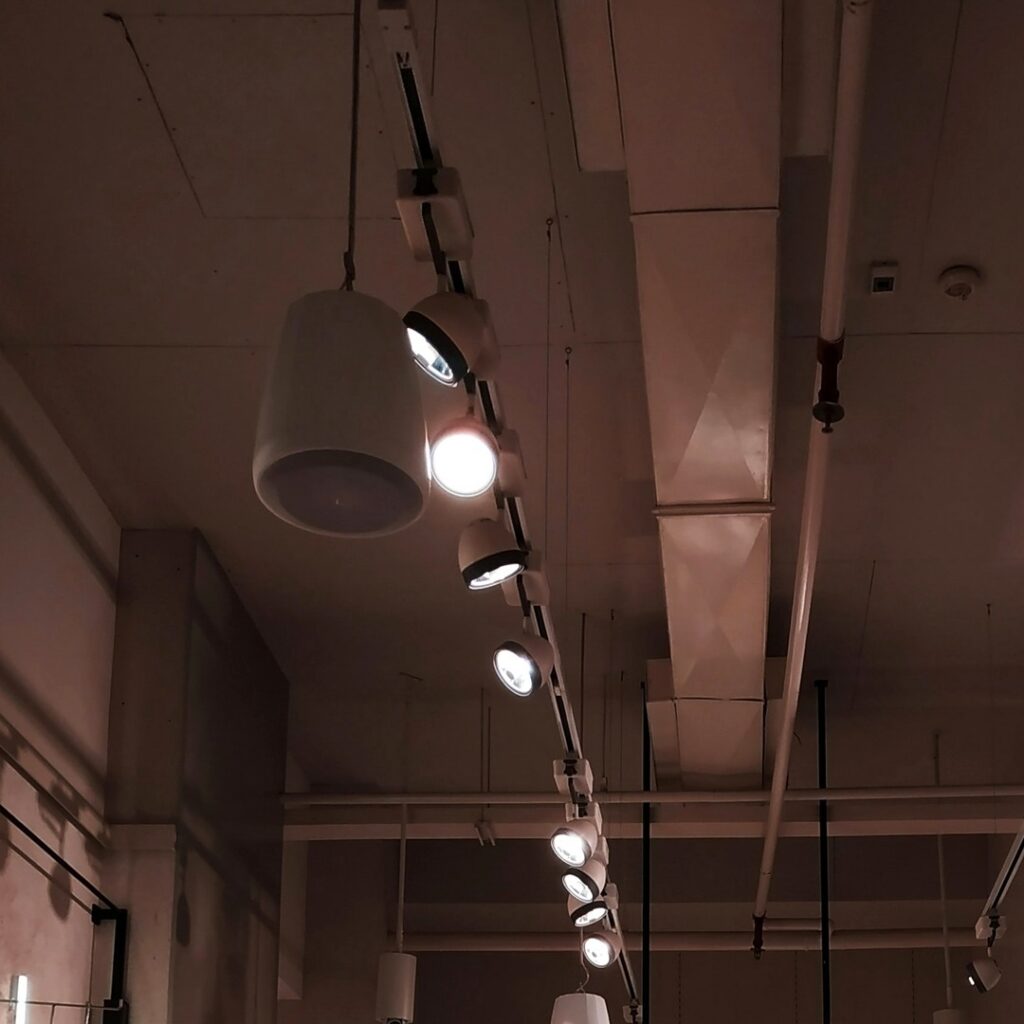
By the time you go looking for a vendor, you have usually lost the ability to choose one.
That is the part nobody plans for. Vendor selection looks like a procurement task, something you handle when you need it. In practice, it is an upstream decision, and the moment you need it is precisely the moment you are least equipped to make it well.
On one project, an outlet store of just over ten thousand square feet, the lighting vendor was wrong for the job. Not catastrophically wrong on day one. Wrong in the accumulating way that only becomes clear once you are committed: slow responses, advice that served the sale rather than the store, specifications that looked fine on paper and did not hold up against what the space actually needed.
Partway through construction, the sales rep left the company. Whatever working relationship existed had been personal rather than institutional, and it left with him. Communication went from difficult to nearly impossible.
So we did the obvious thing. We went looking for another vendor.
Here is what we found. The alternatives we wanted were on backorder from the United States. Track production had been cut during the pandemic and had not recovered. The market that would have given us options eighteen months earlier had no capacity for a project already underway. We were not shopping. We were asking whoever answered the phone what they had on a shelf.
That is the position you occupy when you look for a vendor mid-project. You have no time, no leverage, and no ability to walk away. Every question you should be asking, about capacity, about lead times, about whether they have done a store like yours before, gets shortened to a single question about what can be delivered by a date that is already fixed.
The work of finding a better vendor should have happened months earlier, before anyone needed it, while the existing vendor was still doing the job. Not as an emergency search but as a standing practice: knowing who else could do this work, what their lead times look like, whether their pricing is real. Vetted quietly, in parallel, with no pressure attached. Then when the relationship fails, and eventually one of them will, you are choosing between known options rather than accepting the only one available.
We did not have that. And because the store development team’s travel budget had been cut, site visits were infrequent enough that the problem developed further than it should have before anyone was standing in the building watching it happen.
The same thing occurred with the digital components on that project, screens and shopping checkpoints, through a different vendor managed by a different department. Screens offline. Checkpoints not functional. A second vendor failure on the same project, from the same root cause, discovered at the same late stage.
What the store carried into its community was not a story about vendors. It was darkness. The lighting cutbacks that followed, driven by cost pressure on top of bad advice, produced a store with spot lighting and almost no general illumination. Customers walking in for the first time did not experience a procurement failure. They experienced a store that felt dim and cheaper than the brand it represented. Nobody who walked through those doors knew that the reason traced back to a vendor relationship that had failed months earlier, and to a search that started too late to produce a real choice.
That is the cost that does not appear on any change order. The store opened. The budget was roughly held. And the brand introduced itself to a new community in a room that did not look the way it was supposed to look.
The vendor you rush to find is rarely the vendor you would have chosen. The choosing has to happen before the rush.


Be the first to comment